

Hiding in between the nooks and crannies in the treed area near Bolender Park in Elmira is a growing population of street cats.
Feral cats have adapted to life on their own without a family, calling the streets their home, hunting and reproducing in the wild.
The one cat colony found near Bolender Park has been estimated to have about 20 to 30 feral and stray cats, said Jan Schneider, co-founder of Pet Patrol, a cat rescue agency.
Around 140,000 homeless cats live in the region, according to a 2019 estimate by the Humane Society of Kitchener-Waterloo and Stratford-Perth.
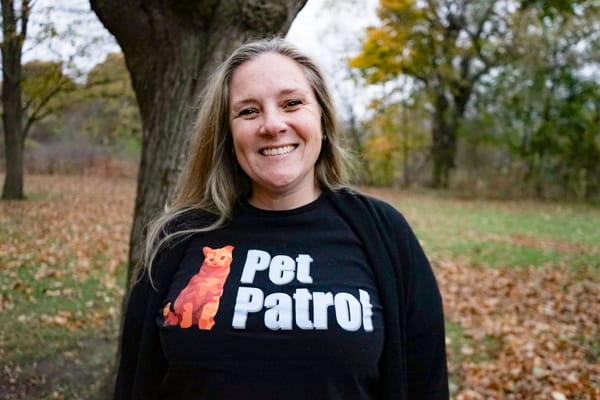
A Pet Patrol volunteer, Jenn Bough, was driving down Church Street by Bolender Park when she found “whole bunch of cats on the road.”
“It was kind of weird because I hadn’t seen it before, and it was like someone just opened a door, and the cats just scattered out,” she added.
One of the cats, however, was injured and dragging its rear legs behind it as it was running away.
“I pulled over, as I had my cat rescue kit in my car, to check out the situation,” Bough said, who has been volunteering with the organization a year and a half.
“I go through the bush and end up in a residential backyard, and this person is clearly feeding all the cats.
“There are cats everywhere, but none were coming with me. But I didn’t have the time as I was on the way to work, and this was in someone’s backyard, and it was uncomfortable,” she said, noting there was a mix of ages.
Since the initial find of the colony around October 22, there have been six cats to be saved, along with the injured one who was found to be pregnant, who was caught on Monday evening and was rushed to the vet.
“She is a mess, but very sweet and likes belly rubs,” said Bough.
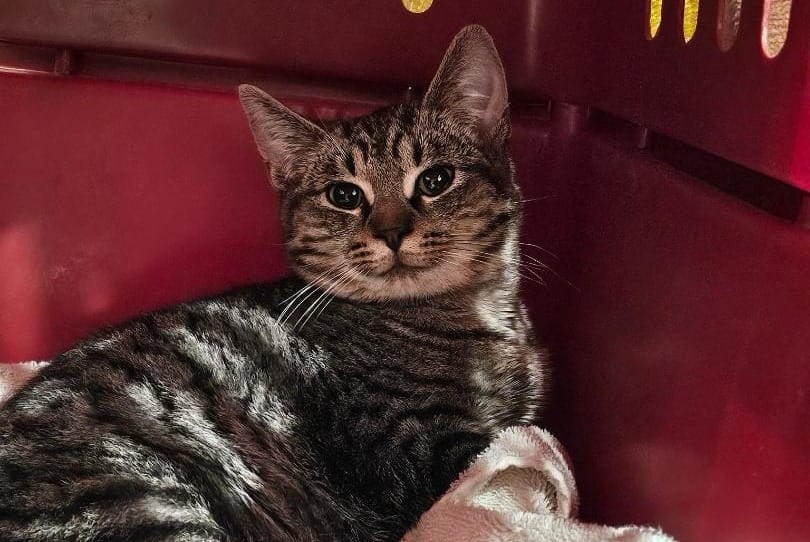
Even though the cat was injured, she was not an easy target to capture.
Those that live on the street have a bit more wit to them and are more aware of their surroundings.
“They’re a lot smarter than your average couch potato kitty, and they calculate and figure things out. They’re alert, and they’re smart.
These kitties that have been roaming the streets of Elmira have been feral and strays, which have different attitudes from one another.
“A feral cat is one that has not had the opportunity to be tested or cared for by people,” said Schneider.
“A stray is a cat that is lost from its family,” she added, noting that they are friendly and will allow people to pet them.
A cat that is lost outside may come into your yard and meow at you to help feed it. “A feral cat does not know to do that,” Schneider said.
If you have outdoor house kitties, there is no need to worry about the cat being mistaken for a stray, as long as you have them wearing a collar, and they look different from street cats.
“Stray cats are hungry, looking underweight and mangy, its fur is unkept,” Bough explained, saying that she has also become more familiar with some outdoor cats.
Additionally, when they are feral, she said: “You can tell with feral rather, it has persisted behaviour; they’re unapproachable, and there are so many of them.”
“Whereas a house cat looks healthier, they’re more approachable,” Bough added.
As much as people want to get these wild cats off the streets, rescuing them has become difficult because there is nowhere to take them, with shelters being over run with these animals.
At Pet Patrol, there are more than 200 felines in their care, either at the sanctuary itself or among volunteers who foster the animals, which is the case for about 40 of them just now.
There are more cats than foster homes, with Schneider noting she would like to double the number of fosterers to make more room for kitties and get some other cats off the waiting list so they can be surrendered to the shelter.
The organization does about 600 adoptions on a yearly basis.
With the most recent arrivals, Pet Patrol has reached out to other rescue groups, but all cited a lack of space, funds and personnel to deal with any influx.
“The cat rescues do not have the capacity to do anything,” Bough emphasized.
“We need more people to go the extra mile and help foster the animal rescue agencies to help with the load so they can take on more of these cats and help more,” she said.
But the overarching issue is people not spaying or neutering, as the surgery is too expensive.
“There are vets who are charging between $350 to $750 for spaying,” Schneider said.
Bough added: “They get these pets, and they either don’t realize how expensive it is to have a pet, or they realize they don’t want the pets anymore, or they move – and they dump them,” she noted, but if they are not sterile, then they can start reproducing, adding more to the problem.
Feral cats can multiply incredibly fast.
A single cat can have anywhere from two to 16 kittens in up to three litters a year. The animals tend to reproduce in the warmer months.