
Every year, Pollinator Partnership Canada highlights the vital role of insects by hosting Pollinator Week. While this year’s events, which ran from June 22 to 28 across North America, have wrapped up, the celebration continues with the naming of the swallowtail butterfly as the 2026 Pollinator of the Year.
There are more than 600 swallowtail species worldwide, 14 of which are native to Canada. To support them, Pollinator Partnership Canada has launched educational resources spotlighting these striking insects. While adult swallowtails love nectar-rich plants like milkweed, experts note that each species requires specific host plants to lay their eggs.
The striking pollinators love nectar-rich plants, so planting some of the typical blooming butterfly plants like milkweed is bound to attract a few. However, a lesser-known fact about butterflies is that each species requires a different plant as a host for its eggs.
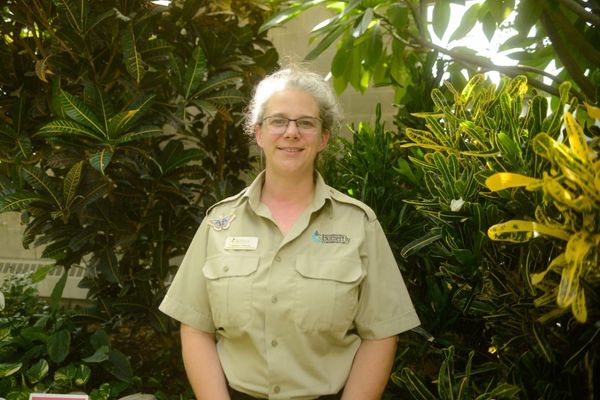
“When we talk about helping the pollinators, we usually talk about putting in flowers, but it kind of goes beyond just putting in flowers; you want to ideally put in those host plants that the females lay eggs on, so we can raise more caterpillars,” said Andalyne Tofflemire, lead butterfly conservationist at the Cambridge Butterfly Observatory.
At the caterpillar stage, swallowtails are no different than other butterflies in that they require certain plants as host plants. For example, the Black Swallowtail relies heavily on the carrot family, so plants such as parsley, dill, fennel and wild carrots to feed their young.
“People tend to just, their minds go to herbaceous plants, like milkweed, goldenrod and asters and things like that, but a lot of native butterflies and other pollinators need trees and shrubs as host plants too,” said Tofflemire.
The Yellow Tiger Swallowtail is one of the best-known swallowtail butterflies in the country, drawing the attention of even casual observers with its vibrant yellow base and black tiger stripes. This species depends entirely on trees and shrubs to raise its young.
“[With] the Yellow Tiger swallowtail, their host plant is something like ash, willow, lilac and apple,” said Tofflemire, adding that a single female swallowtail butterfly could lay a couple of hundred eggs over the course of her lifetime.
“Ideally, an adult female will try to spread out her eggs over as many plants as possible, because a single caterpillar can eat so much. They eat about 20 times their weight in food every day. If you have too many on one plant, they’ll eat it all, and then they starve themselves, because they’ve eaten up all the food, so they try to spread them out.”
Even with this strategy, a caterpillar’s survival chances are bleak. Only about three per cent of caterpillars make it to the chrysalis stage.
“Most of the caterpillars, like 95 per cent of them, will be eaten by other things while they’re growing up, but that’s OK, because that’s how nature works, and that’s why we have lots of birds and other wonderful wildlife,” said Tofflemire.
The insects spend a couple of weeks in the caterpillar stage before forming a chrysalis. While Canada sees a few generations of swallowtails throughout the summer, the final autumn generation uses the chrysalis to overwinter until the following spring. Tucked away inside, the developing butterflies produce a natural antifreeze to prevent them from freezing solid.
To learn more about Canada’s pollinator of the year, visit www.pollinatorpartnership.ca/en/pollinator-week-canada.