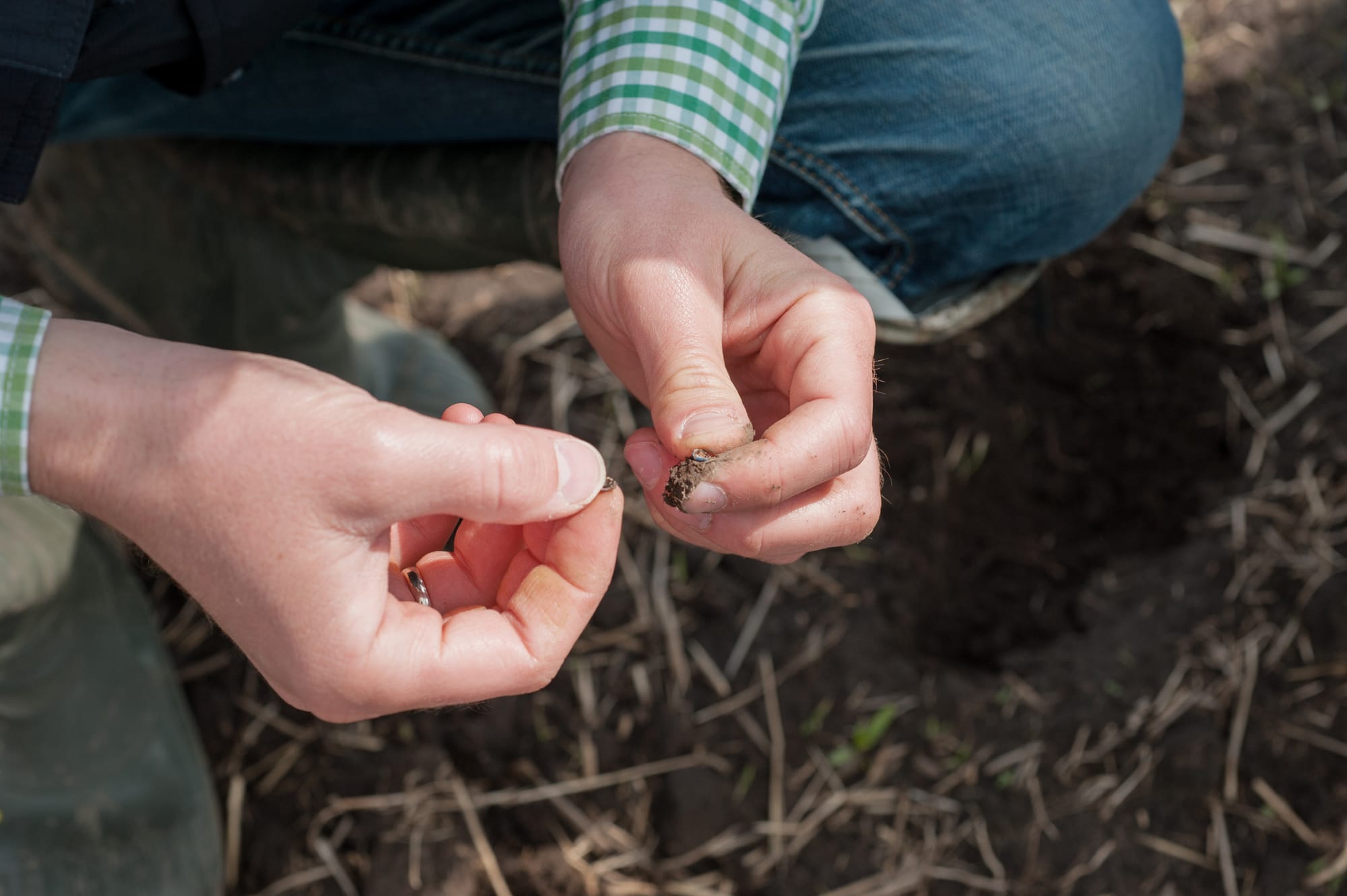
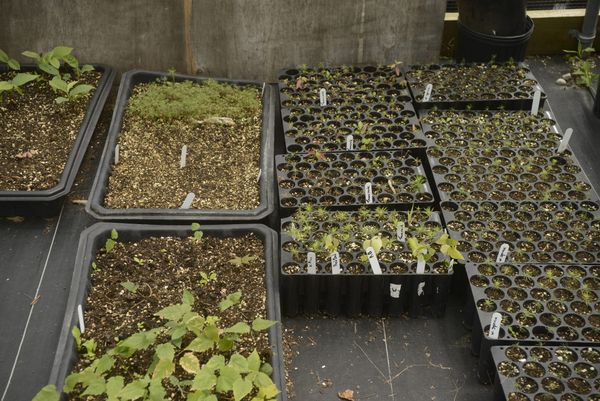
Every year, seed collectors in Ontario go out searching for pods, cones, and nuts – seeds for trees which they harvest and save. This year, there’s been a rocky start to the seed collection season in southern Ontario.
“This spring was pretty hit-or-miss for the species that I normally collect. That would be red maple and silver maple, native species that you need to collect and can’t really store long term,” said Kenton Bossy, who manages the native tree nursery at Reep Green Solutions.
“Silver maple is usually very dependable. Every year, it produces quite a bit of seed, more than you would ever need or want. And this year was a really slow year for silver maple.”
When scanning the canopies, Bossy was surprised to find the silver maples covered in a variety of pests. He attributes this sudden drop in seed dependability to shifting weather patterns.
“I think in general the trend for a lot of seeds is that the normal periods of time that we could generally depend on mast years or good seed collecting years is changing due to extreme climate,” said Bossy.
While it is normal for trees to skip seed production to conserve energy – a synchronized cyclical process known as masting – the current disruptions feel different.
“Take for example, the sugar maple. You can expect a good seed set every three to five years. Generally, it’s not typically an every-year thing to be able to sustainably collect from. So that means like when it’s determined. It’s a good year for sugar maple. You collect and ideally store a little bit to bridge the gap over the intervening years,” said Bossy.
However, rising temperatures and altered precipitation are breaking down the environmental weather cues that groves rely on to flower and seed simultaneously in their typical masting cycle.
“I do believe that it will become less dependable in the future, getting viable and high-quality seed sources from particular areas, and it is important to collect seed and distribute seed in appropriate eco districts,” said Bossy.
Eco districts are locations in the province grouped by their microclimates. Seed collectors collect and distribute in the same Eco district since they are ecologically similar and seeds are adapted for that specific microclimate.
“If you’re collecting from a certain eco district and distributing the same eco district, those seeds are likely more able to thrive and survive and adapt to that climate there. But it’s also used as a forecasting tool, so these eco districts have been modelled out decades into the future, and so you can see what climate is forecasted to be like in a different eco district in Ontario, and seeds can be distributed according to that,” explained Bossy.
While Bossy acknowledged that long-term modelling is conservative and rarely 100 percent accurate, he emphasizes its value for future planning. Without these tools, the stakes for local forestry are high.
“If we’re not able to get viable seed in certain areas, then that could affect nurseries and planting projects and planting plans for a long time.”