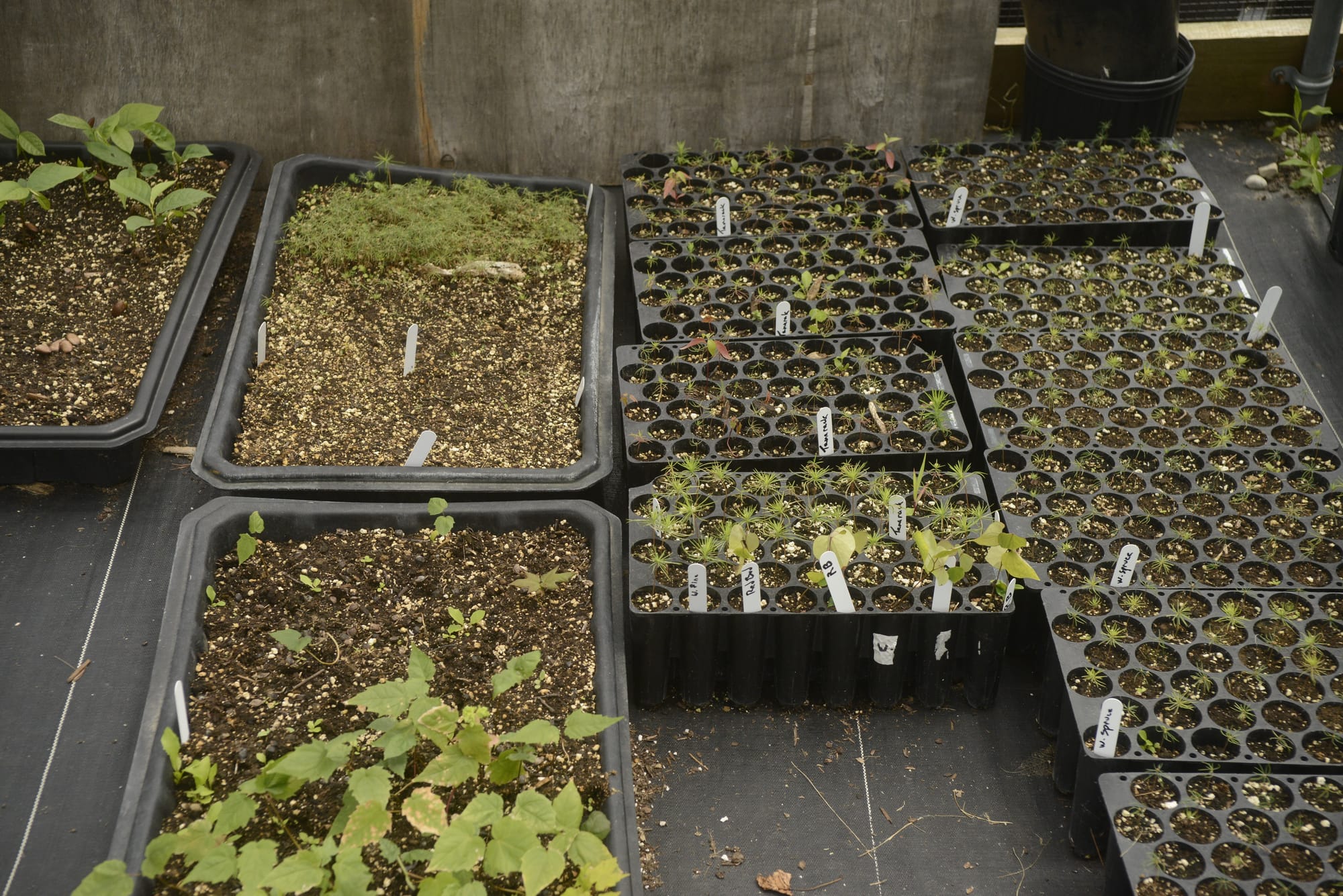
Do you know where the trees growing at greenhouses come from? The obvious answer is seeds; the less obvious part is where those seeds are sourced.
“People just think of seeds as magic that shows up. You can go to the nursery and buy an ornamental tree and put it in your lawn, but they have no idea where that tree came from,” said Darren Derbowka, coordinator at the National Tree Seed Centre.
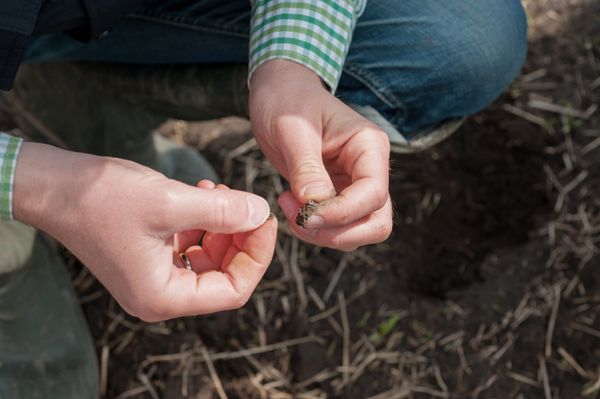
The backbone of the tree seed industry has always been seed collectors, who search an area to track, identify, and harvest seed. In Ontario, reforestation projects and greenhouses depend on seed collectors; however, according to the Forest Gene Conservation Association (FGCA), there is currently a shortage of these skilled professionals.
Part of the shortage is driven by history. In 2018, the provincial government shut down the Ontario Tree Seed Plant in Angus after nearly a century of operation. Citing aging infrastructure and high operational costs, the closure eliminated a massive hub that processed billions of seeds and served as the province’s primary training facility.
In the aftermath, a decentralized system was left behind. Non-profits, nurseries, and private partners scrambled to overtake the roles of seed storing and collector training.
“A lot of private investment has gone into filling the gaps left by the closure of the seed plant,” said Kristen Sandvall, seed and climate change program manager at FGCA.
“Nurseries have bought equipment, increased infrastructure. They’ve worked on their internal knowledge, on seed processing, testing, storage, collection, all those things.”
Sandvall noted that the Government of Canada’s 2 Billion Trees program, a bid to plant two billion trees in the country over ten years starting back in 2020, drove an increase in the need for seed after the Angus facility closure.
“There were a lot of organizations that didn’t even necessarily do a lot of tree planting before that were suddenly doing tree planting and wanting to collect seed, and an increase of people that are starting up native plant nurseries,” said Sandvall.
Locally, grassroots operations are stepping up to fuel community planting. Initiatives like Elmira Nature Reserve’s tree nursery and Rare Charitable Research Reserve’s tree nursery grow seedlings that supply local ecological groups like Trees for Woolwich and Reep Green Solutions. But these local nurseries remain completely dependent on certified collectors who harvest from native regional stands.
To bridge the gap, the FGCA has become the primary organization offering certified training in the province, collaborating with the National Tree Seed Centre to handle testing and formal accreditations.
“There’s definitely people out there that are doing seed collection training, for sure, but as far as the certified level of training, it’s primarily just us,” said Sandvall.
This fall, the FGCA is taking their training to a new level. Armed with new funding, they are launching a nationwide virtual Certified Seed Collector Course open to anyone interested in entering the field.
The virtual expansion lands alongside the launch of Forest Source Selections (FSS), a new national certification program designed by the FGCA. The FSS framework enforces strict standards for species identification, handling practices, and complete origin-to-planting traceability.
By standardizing the industry, organizers hope to turn seed collection from an invisible, shrinking trade into a highly organized baseline for climate resilience.
For more information, visit www.fgca.net.