
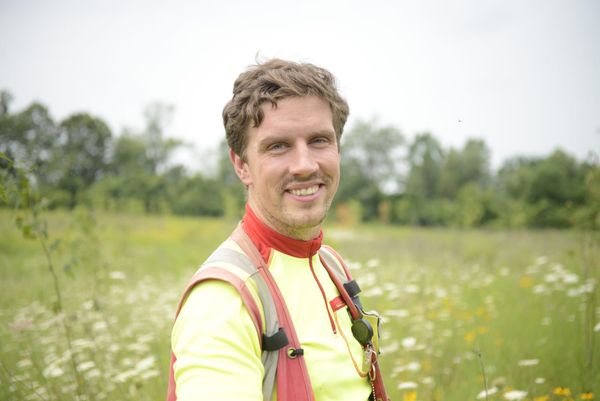
The Region of Waterloo landfill site may be the last place anyone would expect to find a thriving forest. However, it boasts between 25 and 35 km of continuous trails. These paths allow hikers and mountain bikers to feel fully immersed in nature. Following a major tree-planting initiative in the spring, the area is set to become even more lush.
The region planted more than 5,000 trees there, helping to connect a deciduous swamp forest with an existing forest to create a larger, healthier woodland.
The expanded forest will help support more wildlife, improve habitat connections and give long-term environmental benefits. The trees were planted as a restoration effort to help return the space to a thriving deciduous forest.
“Part of my job is to try to do those stand conversions over time to create natural, native deciduous forests, as we see here,” said Andrew Puchalski, the regional forester.
While the trees are now in the ground, this is only the first step. In the fall, Puchalski will conduct a survival assessment of the trees.
“We don’t expect 100 per cent survival when we do a planting,” said Puchalski.
“We expect 80 per cent survival after year one, and another 10 per cent loss after year two. At that point, the trees have been in the ground for about two or three years, and we can pretty comfortably say that they should be able to reach maturity, although we’ll continue to tend to them.”
Animal browsing is a big factor that influences tree survivability.
“From rodents, rabbits, squirrels, but also deer. Deer are pretty prolific, and they’re foresters’ worst enemy because they tend to just eat everything along their way,” said Puchalski.
He added that there are measures to protect trees from browsing, such as tree shelters, which wrap around the trunk of the tree; however, cost is a factor. Each shelter costs around $5.
“You can imagine that times 5,000, that adds up really quickly. So, I would only do that on a site like this if it really warranted it,” said Puchalski
Other options include using a natural spray for the tree trunks that deters deer from grazing.
Beyond the planting efforts this spring, Puchalski also implemented a new turtle nesting site to support some of the local turtle populations. There are two types found in the area, snapping turtles and painted turtles.
“We created a pretty large artificial turtle habitat at that location. The thought is that it’s in full sun. Turtles will hopefully find that location, choose to lay their eggs there, and that’s how we contribute to some of the local turtle population here as well.”
One of the biggest challenges with the project was the weather in spring. The high snow levels made it difficult to get the trees onto the trail to the planting location.
“When we first came here at the end of March, beginning of April, when we were getting ready to start planting, the water level was maybe a good metre or so above ground,” said Puchalski.
“You can imagine that it’d be impossible to bring trees across on a trailer or anything of that sort. So, we had to wait and defer and defer and defer until it dried off, which was at the end of May approximately.”
All the trees planted on site were native species such as oak, sugar maple, white pine, black walnut and willow, adding to the area’s biodiversity.
“There are 288 different types of animals found within this Waterloo landfill forest, and we have at least 756 different varieties of plants that we’ve observed,” said Puchalaski.
“So, pretty rich in diversity, I’d say. And our goal is to make sure that this continues to grow and become a healthy
ecosystem.”
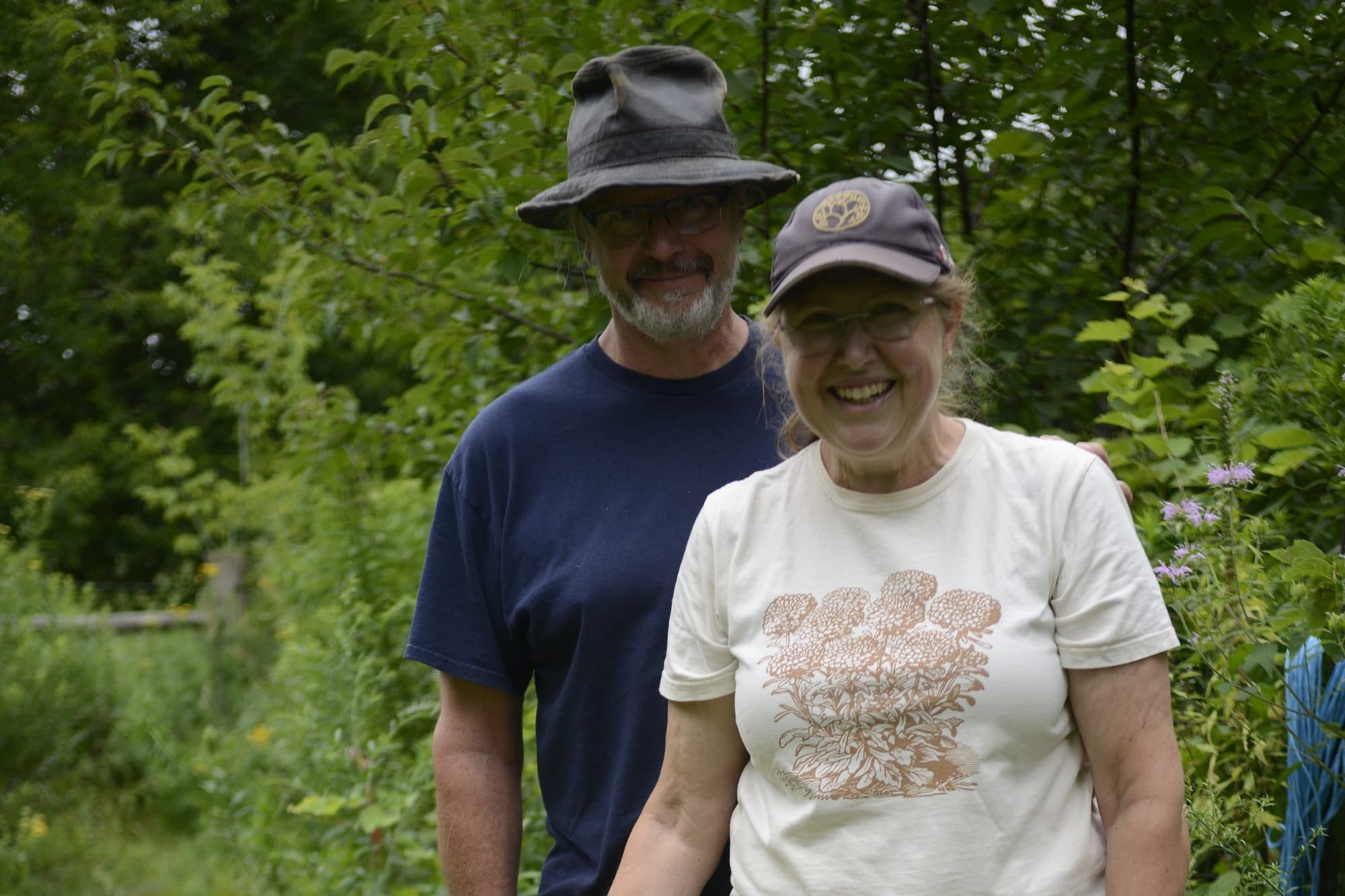
Andrew Puchalski, the regional forester, demonstrates a tree survival test. The middle photo shows the newly created turtle habitat. [Meg Deak]