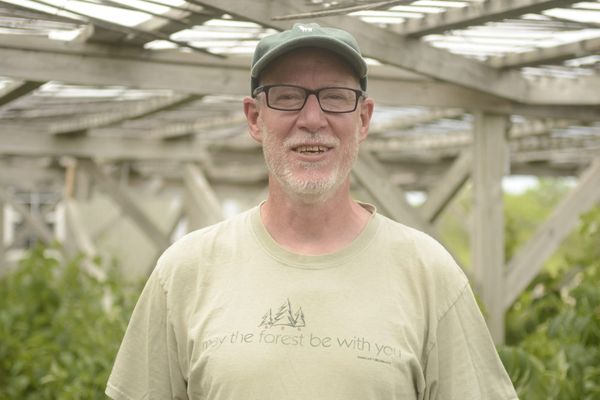
The Elmira Nature Reserve’s volunteer-run tree nursery stands as a testament to the power of a community that cares. Nestled just off one of the reserve’s main trails, the nursery currently holds a robust inventory of 8,000 trees spanning 50 native species.
Entirely volunteer-driven, the community initiative has been operational since 2013. It was originally launched to provide lower-cost, container-grown trees for Trees for Woolwich, a local environmental group dedicated to expanding the tree canopy across the township.
“The nursery started with the idea that Trees for Woolwich plantings could get a boost from homegrown stock. At that time with Trees for Woolwich, the plantings that we were doing were all bare root stock,” said John Mathers, the reserve’s greenhouse manager.
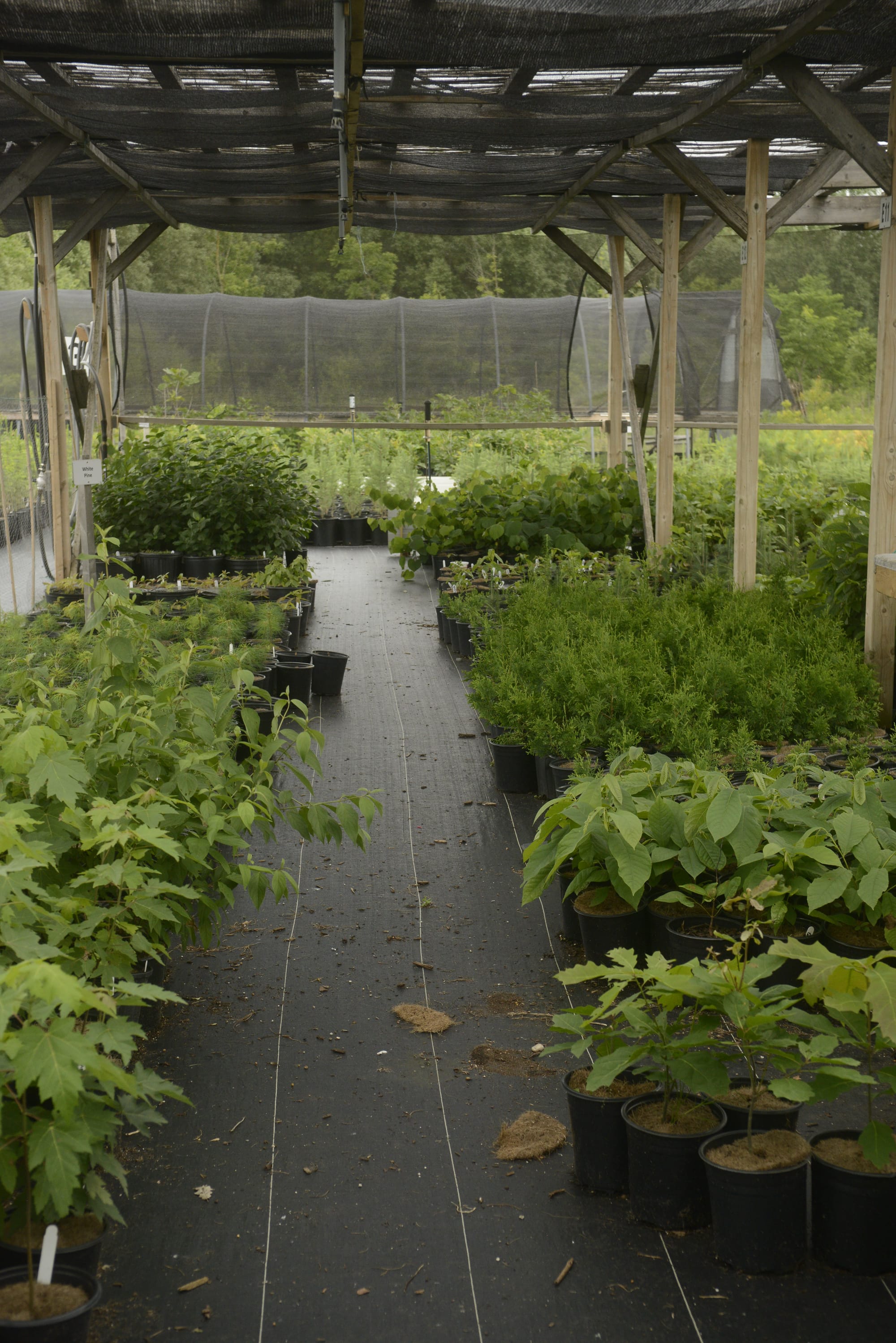
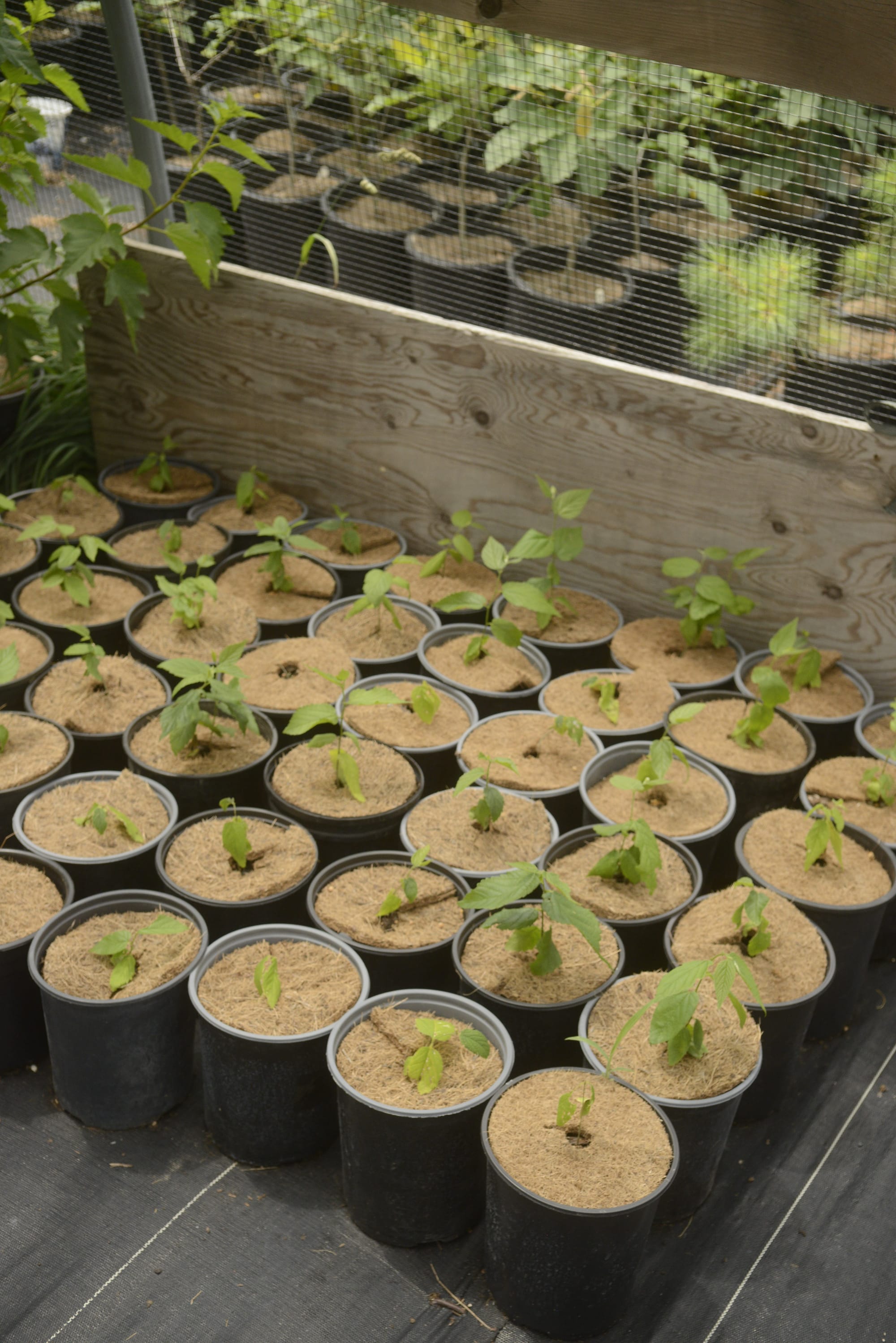
Bare root stock are trees transported without soil around their roots, making them significantly lighter. While the trees are lighter and easier to transport, Mathers explained that they had issues with tree mortality.
“They take some special handling, and we always had volunteers do our plantings. So we were losing more, and we just thought container stock would be the better way to go,” said Mathers.
The inspiration for the project came from the Green Legacy program in Wellington County, a tree-planting initiative supplied with trees grown at two County of Wellington nurseries. Funding from the Township of Woolwich Environmental Enhancement Committee (TWEEC) made the nursery possible.
Over its decade-plus of operation, the nursery has grown from a modest footprint into a major local asset. Trees nurtured here have been integrated into numerous Trees for Woolwich planting sites. More recently, the nursery has become the primary supplier for the township tree giveaways in Elmira, Breslau, Bloomingdale and Maryhill.
“On average, we have been harvesting 1,200-1,300 trees per year from the nursery,” said Mathers.
The majority of the seeds for the trees at the nursery are collected by Mathers himself, right on the reserve.
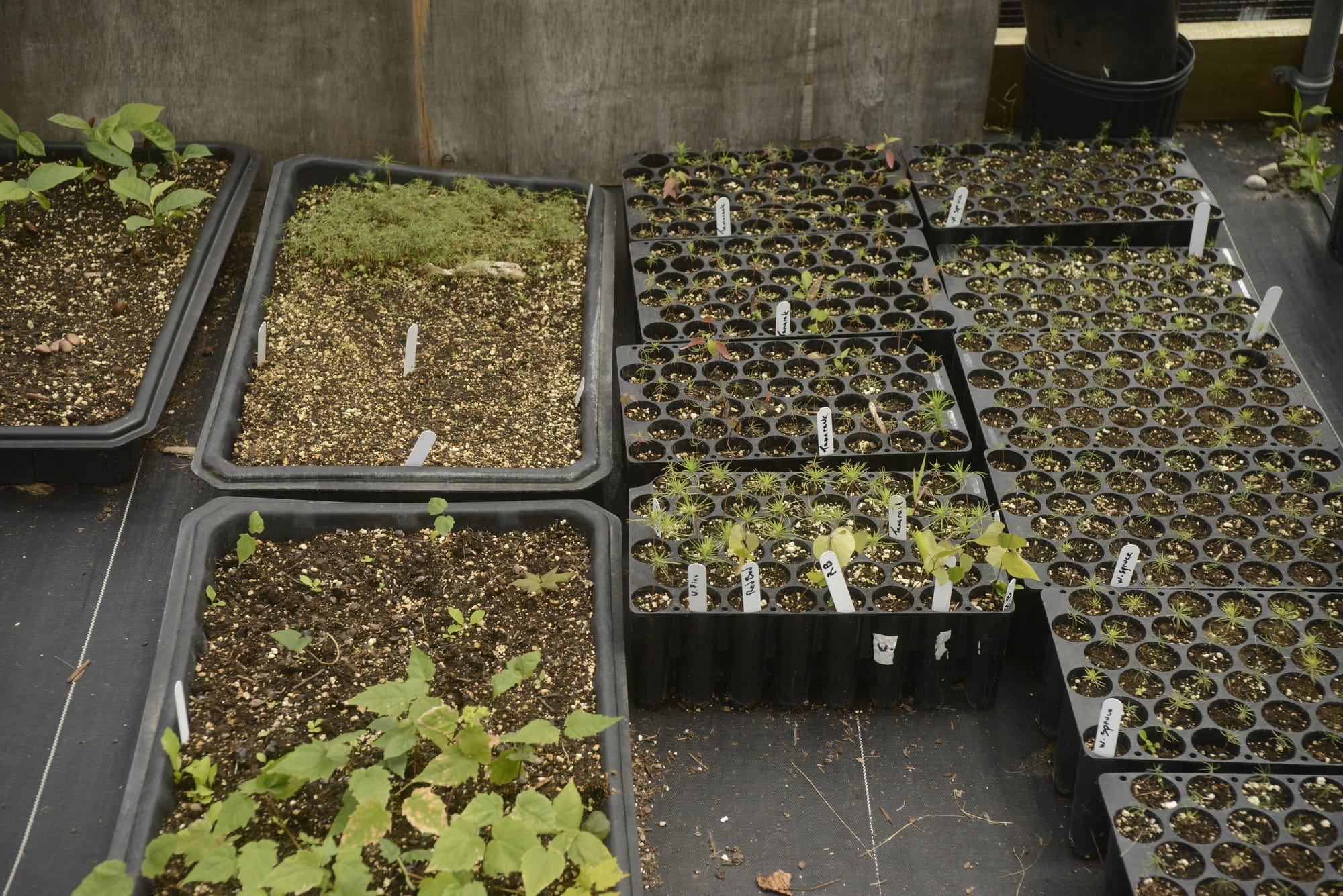
“I do all the collecting and stratification and getting ready. We start all of our seeds early, in February. I’m already planting stuff at home,” said Mathers.
If seed collection falls behind schedule, the nursery supplements its stock through the Grand River Conservation Authority (GRCA).
“I got behind on cedar propagation. Cedar, we know, are going to be popular trees, so we supplement by buying some from the GRCA as plug stock. But, for the most part, most of the seed collection has been done by us.”
Community engagement is deeply embedded in the nursery’s operations. The project frequently partners with local schools and seniors’ homes to involve residents directly in the planting process.
Additionally, a unique community adoption program extends the nursery’s reach.
“We have a number of community members who take on trees through what we call ‘Fostering Future Forests.’ They basically adopt a seed tray and take on some of the trickier, smaller seeds,” Mathers explained.
For Mathers, getting involved in the Elmira Nature Reserve nursery started as a project sparked by his love for trees.
“I spent 30 years working in finance, but I got interested in tree-planting stuff when I was a Scout leader, and it’s just kind of stuck. It’s grown since taking this project on in 2013, and now it’s too big for one person,” Mathers said, adding that the nursery project today is only possible because of the strong group of volunteers at the reserve.
“It couldn’t be done if we didn’t have that core group of people who kind of manage and supervise, and this strong group that will come on call. Without them, it can’t be done by one person.”
To learn more about other projects at the Elmira Nature Reserve, visit www.healthywoolwich.org/habitats-project.