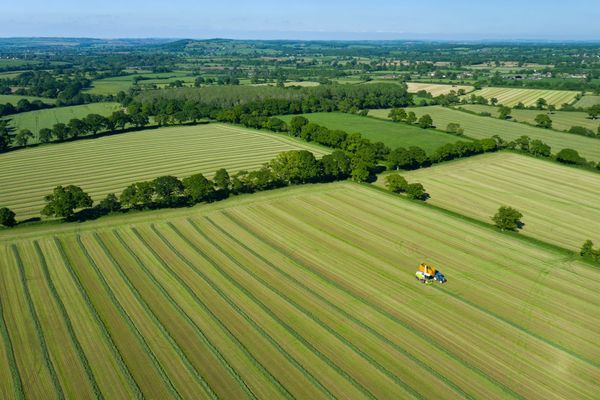
Most people would agree that assembling a million acres of land is an ambitious goal. However, for the Canadian Alliance for Net-Zero Agri-Food (CANZA), it’s the minimum amount of farmland they are hoping to see committed to their One Million Acre Challenge Program.
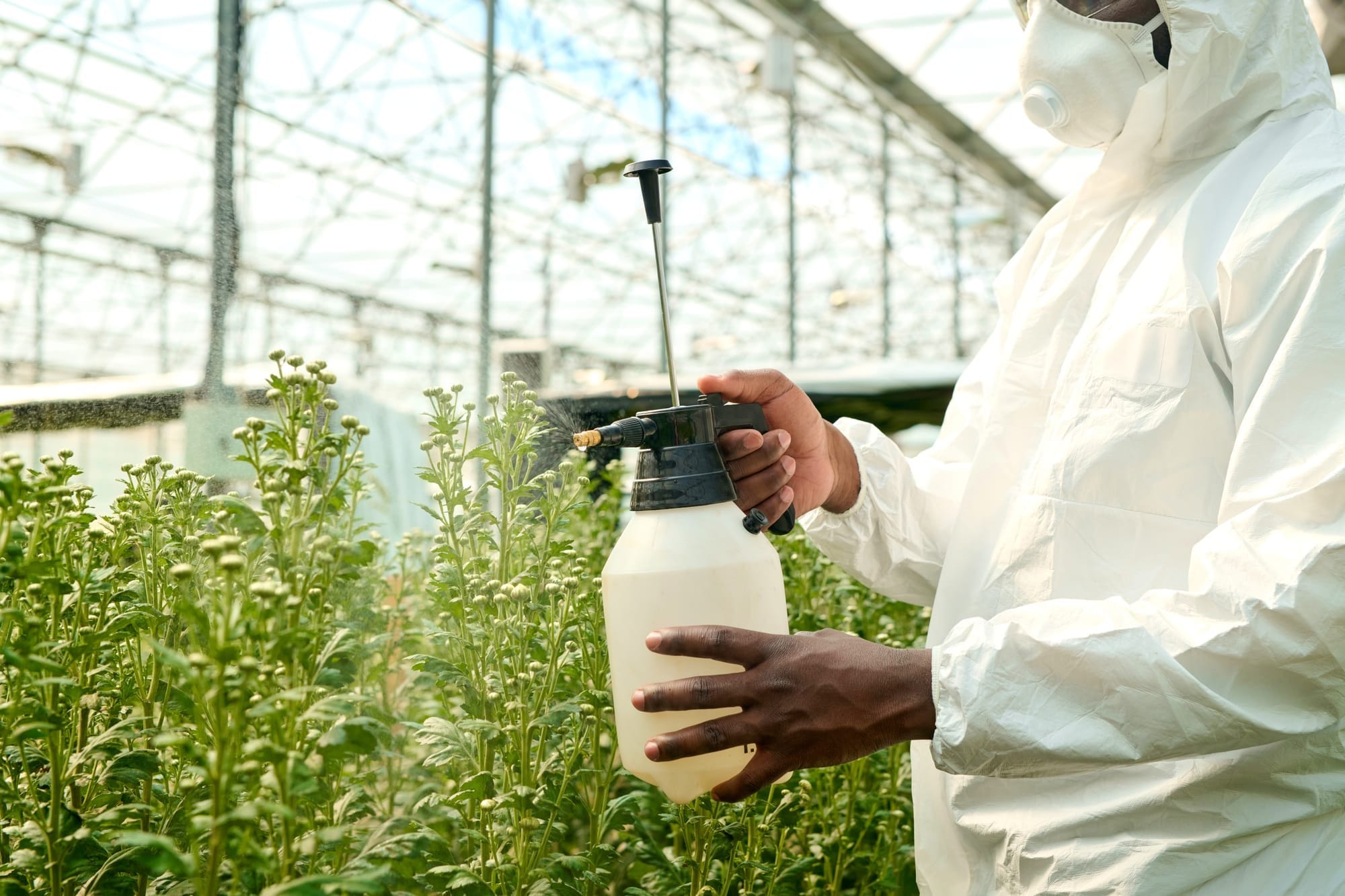
The aim of the project launched last fall is to help Canadian farmers invest in regenerative agriculture practices. Unlike conventional farming methods, which place the highest value on maximizing crop yield, regenerative agriculture focuses on balancing environmental sustainability with farming. This includes restoring degraded soils through better management practices, such as no-till planting and avoiding pesticides.
Switching to these practices comes with a high opportunity cost to farmers. As their fields’ soil adjusts to changes in nutrient inputs, farmers will likely experience a temporary drop in yields, making their income more unpredictable. Since there is no way to accommodate for the adjustments – charging more through regenerative labelling or premium pricing, for instance – the financial burden rests squarely on farmers’ shoulders.
The One Million Acre Challenge aims to alleviate some of this financial burden on producers by providing them with financial and agronomic support.
“For the first year of the program, we’re offering $31 per acre for [farmers] who enroll in the program. Then for the second year it’s $25 per acre, and for the third year it’s $12.50 per acre, so they get three years of support,” said Emily Robinson, CANZA’s manager of program implementation and partnerships, adding that farmers can enrol a minimum of 50 acres and a maximum of 600 acres in the program.
“We are giving farmers cost-share payments and agronomic support and other resources to help them adopt new regenerative agriculture practices, just to help them on that continuous journey of getting closer to what we might call a regenerative farm,” said Robinson.
While $31 per acre might not sound like a lot, given that farmers usually have hundreds, if not thousands, of acres on their farms, enrolling the maximum 600 acres in the program would yield more than $41,000 over the course of three years.
Beyond financial support, CANZA is providing farmers with agronomic resources through crop advisors who will help them transition their selected acres to regenerative practices.
“When they are doing something new for the first time, we’re not just giving them the funds, but we’re making sure they have access to the knowledge and support that they need as well,” said Robinson, adding that for CANZA, the other piece of the puzzle is data collection so that farmers can measure and monetize the environmental benefits they are producing through participating in the program.
“This is kind of a learning journey on both sides for us and for the farmers to help them see the picture of all the benefits that are happening on their farm as we’re collecting this data, and also with the goal of kind of linking them up the supply chain to corporations who are interested in making further investment in things like scope-free emissions reduction.”
CANZA has positioned itself to offer the program as a bridge between agricultural work and large agri-food organizations such as Loblaw Companies Ltd., Maple Leaf Foods, Nutrien, and McCain Foods.
Large agri-food corporations are motivated to participate in the program to secure a more resilient and sustainable supply chain.
“The focus on regenerative agriculture is really to reinvest in a more sustainable, resilient supply chain and in Canada’s food systems, and one of the ways that we know that we can move towards that is regenerative agriculture practices to improve soil health,” said Robinson.
For the program’s first cohort, CANZA compiled a list of 10 ideas for farmers to implement regenerative practices on their farms. There are four categories that the practices fall into: nitrogen management, organic amendment, crop diversity, and reduced tillage.
So far, the program has 32 farms and just over 15,000 acres participating in southwestern Ontario, with plans to expand.
“We’re trying to support the transition to more regenerative agriculture across Canada. We’re starting small in our own backyard in southwestern Ontario, but the goal is that we want to, we want this program to continue to scale and to encourage further investment into regenerative agriculture,” said Robinson.
Applications for the second cohort of the program will open later this year.