Growing up on a farm teaches kids a unique perspective, instilling values about responsibility and hard work. However, it also means growing up around large farm equipment, big animals and agricultural chemicals – all potential hazards for kids wandering around, not familiar with proper farm safety.
This makes farm safety for kids an incredibly important topic in the agricultural community.
On June 6, the Waterloo Rural Women Committee is spotlighting this important topic with their annual Children’s Farm Safety Day. This year’s safety day will take place at Lebold Farms in Wellesley and run from 9:30 a.m. to 5 p.m., with registration taking place at 9 a.m.
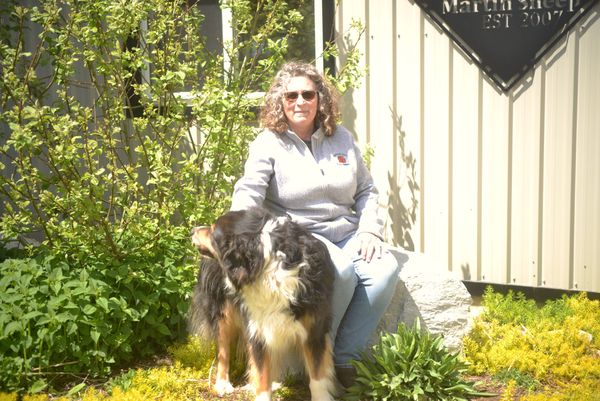
“The day is geared for children aged five to 12, but we don’t turn anyone away because they might need to hear that safety message,” said Susan Martin, a sheep farmer and current chair of Waterloo Rural Women.
“It’s for people who live on a farm, visit a farm, or have relatives who own a farm that you occasionally visit, because you need to learn how to be safe. The farm’s a busy, busy place, and it’s a business, so there’s always things coming and going.”
Martin added that kids under five can attend with their parents. There will be hands-on learning, games and activities regarding farm safety that make it a fun day for kids.
Kids should come dressed for the weather – rain or shine – and bring a sunhat and refillable water bottle. There will be pizza and snacks available for lunch and a surprise take-home gift.
“We usually run six stations, and again we’re asking the community to come and help us every year,” said Martin.
This year’s six stations include safety around large animals, large machinery, and small machinery, and fire, water, and chemical safety.
Martin explained that a big part of being safe around large animals is learning to recognize how they express their emotions and understanding that larger animals are very different from people.
“If they’re not happy with you, you need to know those signs, and if you’re a little person, the best advice is you stay away,” said Martin.
“That baby calf might look really, really cute, but that mom’s going to be super aggressive, because she’s protecting her baby. She might not always be aggressive, but she is at that time, because she views you as a threat, but if you’re five, you don’t know that.”
She added that this does not mean kids cannot help out on the farm.
“There are jobs that you can do if you’re on the farm. Maybe you can feed the cats or the dog, or gather the eggs. But we always say, “if you’re a smaller child, you need to be with an adult,” said Martin.
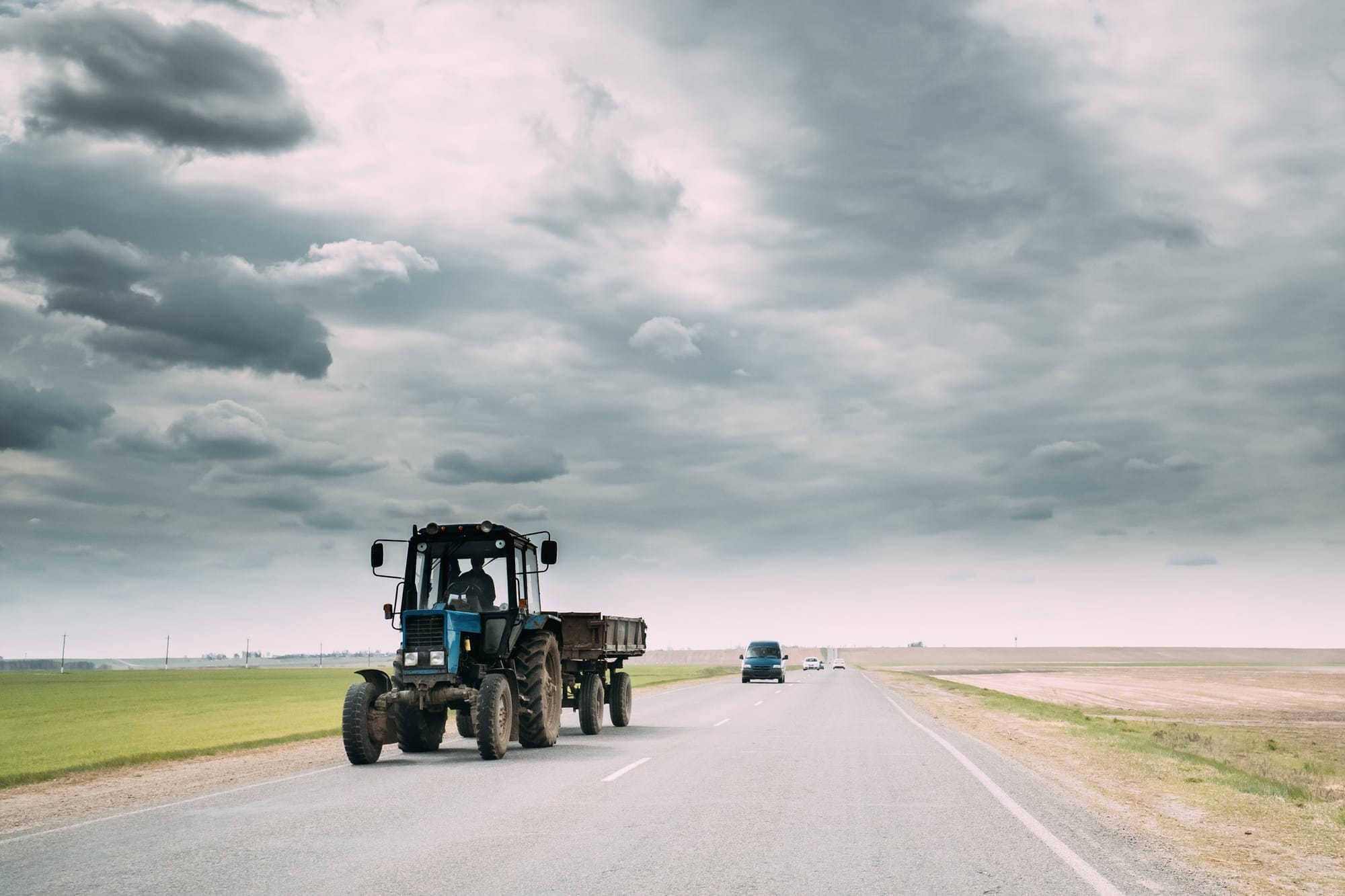
While all the safety topics are important, participants should pay very close attention to the large machinery station. According to the Canadian Agricultural Safety Association, machinery runovers are the leading cause of child farm fatalities, with children under ten accounting for 55.1 per cent of the extra rider and bystander runover fatalities.
“You hear those sad stories every year: dad or grandpa ran over a child,” said Martin.
“That’s why we do this day. We don’t want accidents to be a common occurrence.”
Extra-rider fatalities happen when a rider falls from a tractor or other agricultural machine and is then run over by the machine or by a wagon towed by it. Now newer tractors have a “buddy seat” so a second person can ride safely without the same risk of slipping.
Living in a community with agriculture at the center, Martin stressed that the kids’ farm safety event is more than a box to tick. For many community members, the message is personal.
According to Workplace Safety and Prevention Services, a non-profit partner in Ontario’s occupational health and safety system, children and youth between the ages of one and 19 years of age account for 17.9 per cent of all fatalities on the farm, with more than half of the deaths happening for kids under 15.
Preventing these accidents is what prompted a dedicated group of volunteers to start the Children’s Farm Safety Day back in the 1990s.
One of Martin’s earliest memories of farm safety dates back to her grandfather, who was on the Waterloo Farm Safety Committee. She recalled one moment when her grandpa came home and announced he had something for her.
“Me as a kid, you know, we were excited, I thought, ‘maybe it’s candy,” said Martin.
Instead, her grandfather handed her a sticker reading “one seat, one rider.”
“That’s not what you’re expecting as a kid. But he was trying in his own way to say, ‘I want you to be safe.’”
The sticker Martin’s grandfather gave her references the critical campaign advocating that machinery such as tractors, ATVs and mowers never carry more passengers than the number of seats to prevent fatal rollovers, run-overs and child-ejections.
“Now, it’s ironic that I believe so strongly in safety, and it goes way back to my grandfather, to ‘one seat, one rider,’” said Martin.
The Children’s Farm Safety Day is entirely volunteer run, with Martin noting volunteers are still needed for event day. Anyone in the community is welcome to help out, with or without a farming background.
“The event cannot run without volunteers, because we are a volunteer-based group, Waterloo Rural Women. We’re a group of women that plan several events during the year, but this one is our biggest and probably most important, because we want to keep everyone safe.”